
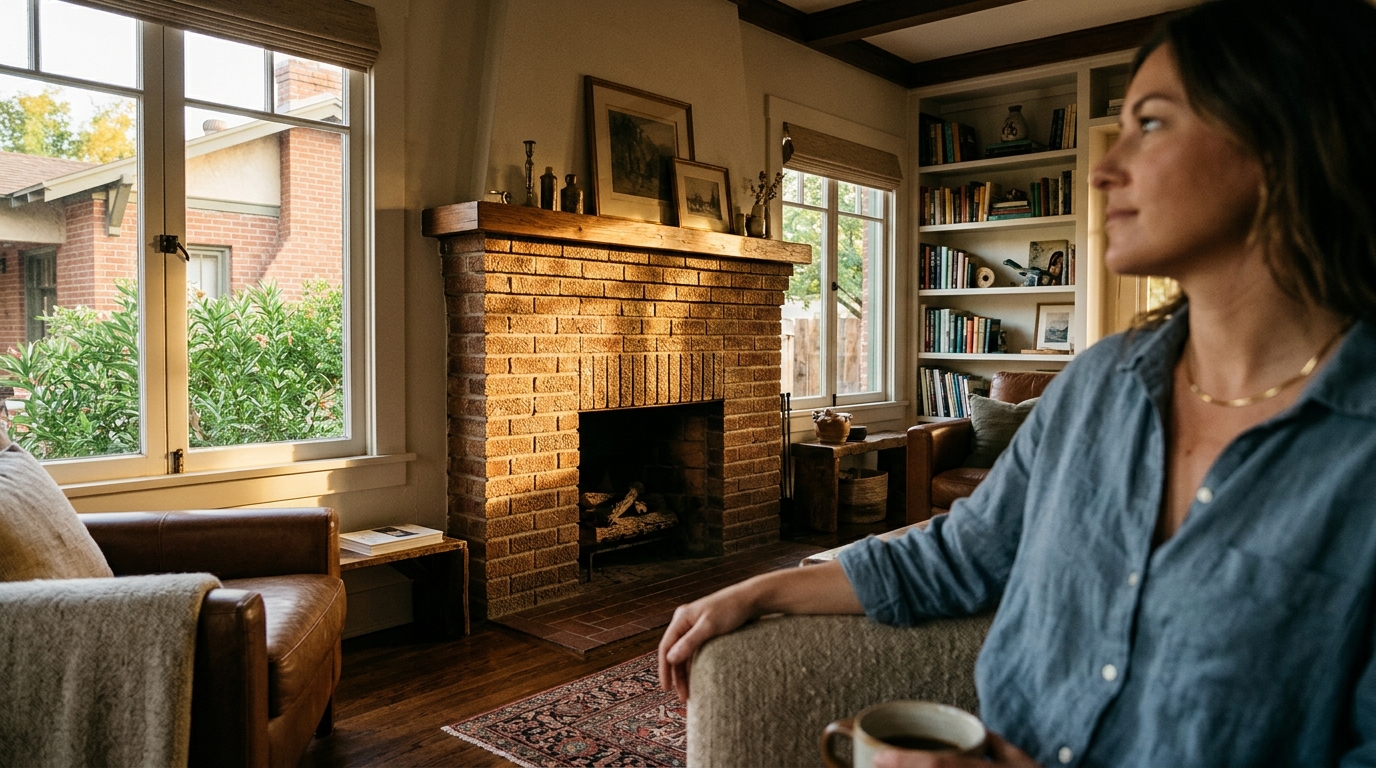
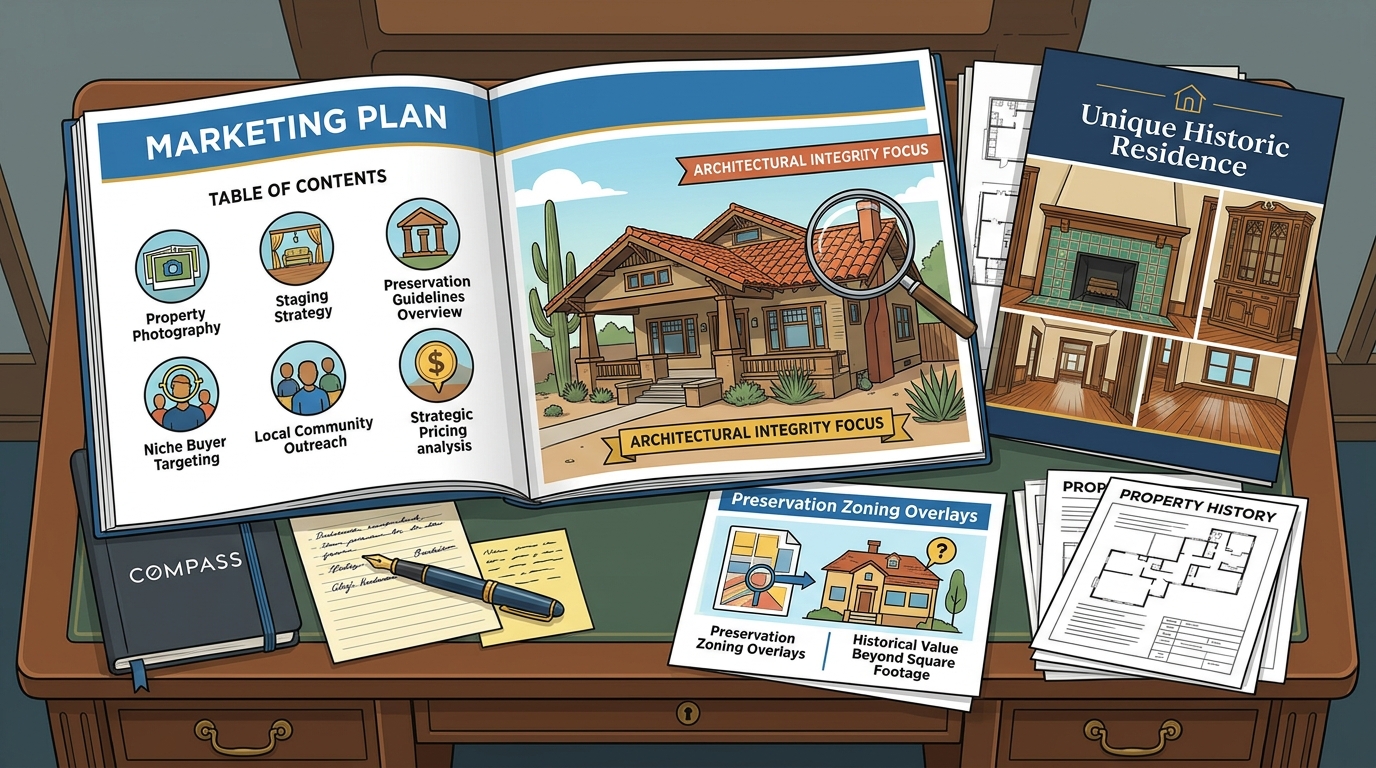
Marketing a historic Phoenix home differs from selling a standard tract home because the value lies in architectural integrity, preservation rules, and niche buyer appeal rather than raw square footage. Joe Janus, a Phoenix REALTOR® with Compass, notes that these properties require a strategy that highlights character and navigates strict zoning overlays. This approach ensures the home reaches buyers who value history over modern convenience.
Navigating Preservation Zoning and Restrictions
Historic preservation zoning is a regulatory overlay that restricts exterior modifications to maintain neighborhood character. In Central Phoenix, the city maintains 36 residential historic districts under HP overlay zoning, each listed on the Phoenix Historic Property Register. Buyers in these areas must understand that exterior changes, such as adding a garage or changing roof materials, often require approval from the historic preservation office. This regulatory layer adds a layer of complexity that standard suburban homes do not face.
For sellers, these restrictions are a double-edged sword. They protect the property's long-term value by preventing incompatible development, but they can deter buyers who want to renovate freely. A skilled agent must clearly communicate these rules during the marketing phase. Transparency about what can and cannot be changed helps filter out unqualified buyers and sets realistic expectations for those who are serious.
The implication for marketing is that the listing copy must address these constraints head-on. Instead of hiding the rules, the agent should frame them as a guarantee of quality. By explaining the preservation guidelines, the agent positions the home as a protected investment. This builds trust with buyers who are knowledgeable about historic properties and helps avoid late-stage deal failures due to surprise renovation limits.
Architectural Storytelling and Visual Presentation
The implication is that the marketing materials must be curated, not just comprehensive. Every image and description should serve the story of the home's character. This requires an agent who understands the architectural history of Phoenix neighborhoods. By leading with the unique features, the agent attracts buyers who are specifically looking for a home with a point of view, rather than just a place to sleep.
Pricing Distinctive Homes in a Balanced Market
Pricing a distinctive home is a strategic process that balances market data with the subjective value of character. In the current Central Phoenix market, the median sale price reached $486,000 in August 2025, while the median price per square foot was $315. These metrics provide a baseline, but they do not capture the premium that buyers pay for preserved architecture. Automated valuation models often fail to account for the quality of renovations or the rarity of the lot. A human-led valuation is essential to capture the true market value.
Buyers in this segment are often experienced and willing to pay a premium for authenticity. However, they are also savvy negotiators. They understand that older homes may require maintenance that newer builds do not. The pricing strategy must reflect this reality. An agent should analyze recent sales of comparable historic homes, not just any nearby property. This ensures the price is competitive within the specific niche of historic housing.
The implication is that the initial list price sets the tone for the entire sale. If the price is too high, the home may sit on the market, signaling potential issues to buyers. If it is too low, the seller leaves money on the table. A careful analysis of the peer set, adjusted for condition and lot quality, allows the agent to recommend a price that drives interest without undervaluing the property. This precision is crucial in a market where inventory has grown, giving buyers more options and time to decide.
Targeting the Right Niche Buyers
Niche buyer targeting is the strategy of identifying and reaching specific demographics who value historic properties. The buyers for these homes are often professionals, collectors, or families who prioritize location and character over size. They are frequently already living in the area or have a deep appreciation for Phoenix's architectural heritage. Reaching them requires a different channel mix than standard marketing. The MLS is the starting point, but it is not the only tool. Agents should leverage local networks, social media groups dedicated to historic homes, and private listings to reach this audience.
These buyers often look for homes that have been thoughtfully renovated rather than gutted. They want to see that the original character has been respected. The marketing should highlight any preservation efforts, such as restored windows or original plaster walls. This appeals to buyers who are tired of the cookie-cutter aesthetic of new construction. By positioning the home as a curated piece of history, the agent attracts buyers who are willing to pay for quality and uniqueness.
The implication is that the marketing effort must be focused and intentional. Broad, generic advertising may reach a large audience, but it may not reach the right one. A targeted approach ensures that the home is seen by buyers who understand its value. This increases the likelihood of receiving strong offers and reduces the time on market. It also helps the agent build a reputation as an expert in historic properties, which can lead to future referrals from this niche community.
Key Takeaways
- Historic preservation zoning restricts exterior changes, requiring clear communication to buyers.
- Architectural storytelling focuses on unique design features rather than just square footage.
- Automated valuation models often miss the premium for preserved architecture and character.
- The current Central Phoenix market sees a median sale price of $486,000, with a $315 per square foot average.
- Niche buyers value thoughtful renovations that respect the original character of the home.
- Targeted marketing channels are more effective than broad advertising for reaching historic home buyers.
- Transparency about renovation restrictions builds trust and filters out unqualified buyers.
Frequently Asked Questions
What is historic preservation zoning in Phoenix?
Historic preservation zoning is a regulatory overlay that restricts exterior modifications to maintain the character of designated historic districts. It requires approval for changes to roofs, facades, and additions.
How does zoning affect the sale of a historic home?
Zoning affects the sale by limiting the buyer's ability to renovate freely. Sellers must disclose these restrictions to avoid deal failures and to attract buyers who understand the rules.
What is the median sale price in Central Phoenix?
The median sale price in Central Phoenix reached $486,000 in August 2025. This reflects a healthy rise in property values in the area.
Why are automated valuations inaccurate for historic homes?
Automated valuations are inaccurate for historic homes because they do not account for architectural character, renovation quality, or lot rarity. They rely on data that misses these subjective factors.
Who are the typical buyers for historic Phoenix homes?
Typical buyers are professionals, collectors, or families who value location and character. They often prefer homes that have been thoughtfully renovated rather than gutted.
How should a historic home be photographed?
A historic home should be photographed to highlight its unique design features, such as original fixtures and craftsmanship. Lighting and angles should showcase the depth and texture of the architecture.
Conclusion
Marketing a historic Phoenix home requires a nuanced approach that respects the property's history and navigates local regulations. By focusing on architectural storytelling, accurate pricing, and targeted buyer outreach, sellers can maximize the value of their unique property. Joe Janus, a Phoenix REALTOR® with Compass, specializes in guiding clients through this process. To discuss how to market your historic home, .